
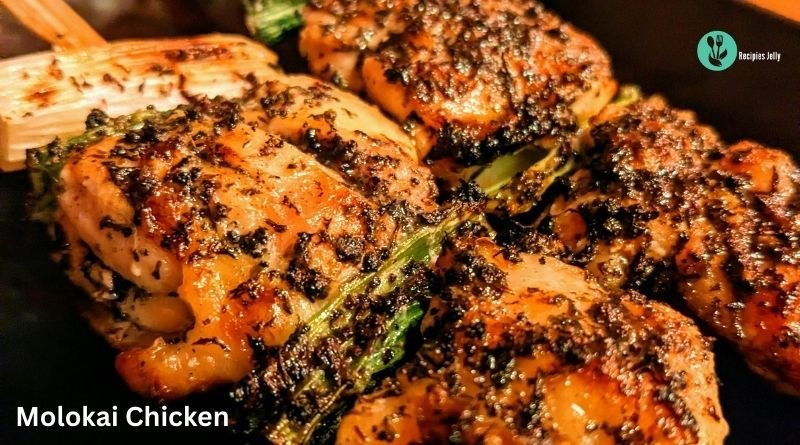
Molokai Chicken: The Hawaiian Island Recipe You Need to Try Tonight
There is something undeniably magical about the food that comes from the Hawaiian Islands. Each dish carries with it the warmth of the sun, the saltiness of the ocean breeze, and centuries of cultural tradition woven into every ingredient. Among the many treasures that Hawaiian cuisine has gifted to the world, few dishes capture the spirit of the islands quite like Molokai Chicken. This bold, aromatic, and deeply satisfying recipe draws its soul from the island of Molokai — one of Hawaii’s most untouched and authentic destinations — and it has been winning over food lovers far beyond the shores of the Pacific.
Whether you are a seasoned home cook looking to explore new flavors or someone who simply fell in love with Hawaiian food on a vacation and wants to recreate that experience in your own kitchen, this article will walk you through everything you need to know about this incredible dish. From its cultural roots to the ingredients that make it sing, this is your complete guide to understanding and preparing one of Hawaii’s most beloved comfort foods.
The Island of Molokai and Its Culinary Identity
To truly appreciate this dish, you first need to understand the island that inspired it. Molokai is often called “The Friendly Isle,” and it stands apart from the more commercialized Hawaiian islands like Oahu and Maui. It is quieter, more rural, and deeply connected to native Hawaiian traditions. The people of Molokai take great pride in living close to the land, and that philosophy extends directly to how they grow, prepare, and share food.
The culinary identity of Molokai is rooted in simplicity and abundance. Local farmers raise free-range animals, grow tropical fruits and vegetables in rich volcanic soil, and maintain fishing traditions that have sustained communities for generations. It is from this environment of authenticity and natural richness that recipes like Molokai Chicken were born. The dish reflects a lifestyle that values fresh ingredients, slow cooking, and the kind of generous, communal eating that brings families together around a table.
Food on Molokai is not just sustenance — it is ceremony. It is the centerpiece of family gatherings, community festivals, and celebrations that honor the land and its people. When you cook this recipe at home, you are participating in that tradition in your own small but meaningful way.
What Makes Molokai Chicken So Special
At its heart, Molokai Chicken is a marinated and grilled or baked chicken dish that layers tropical and savory flavors into something truly unforgettable. What sets it apart from other chicken recipes is the combination of ingredients that feel distinctly Hawaiian — pineapple juice, soy sauce, ginger, garlic, and often a touch of sesame oil or brown sugar. These elements come together to create a marinade that tenderizes the meat while infusing it with a sweet, tangy, and umami-rich depth of flavor.
The dish is a beautiful example of how Hawaiian cooking blends influences from multiple cultures. Native Hawaiian flavors meet Japanese soy sauce traditions, Chinese ginger techniques, and the natural abundance of tropical fruit that the islands produce so generously. The result is a recipe that feels both exotic and deeply familiar — the kind of food that immediately comforts you while also surprising your palate in the best possible way.
What also makes this dish so appealing to modern cooks is its versatility. It works beautifully on a backyard grill during summer, in a cast iron skillet on a weeknight, or slow-baked in the oven when you want something hands-off but deeply flavorful. It pairs wonderfully with steamed white rice, grilled pineapple slices, coconut rice, or even a fresh green salad tossed with a light citrus dressing.
Key Ingredients You Will Need
The magic of this recipe lives in its marinade, and getting the ingredients right is everything. Here is what you will need to prepare an authentic and flavorful version of this island classic.
Chicken — Bone-in, skin-on thighs or drumsticks are the ideal choice. They hold up beautifully to the marinade and stay moist and juicy during cooking. You can also use a whole chicken cut into pieces for a more traditional presentation.
Pineapple Juice — Fresh is always best if you have access to it, but high-quality canned pineapple juice works perfectly well. This ingredient is the backbone of the marinade, providing natural sweetness and acidity that tenderizes the meat.
Soy Sauce — Low-sodium soy sauce allows you to control the saltiness of the dish while still delivering that essential savory depth.
Fresh Ginger — Grated fresh ginger adds a bright, slightly spicy warmth that is non-negotiable in this recipe. Do not substitute with powdered ginger if you can help it.
Garlic — Freshly minced garlic cloves bring pungency and earthiness that balance the sweetness of the pineapple beautifully.
Brown Sugar or Honey — A small amount of either adds a caramelized richness to the final dish, especially if you are grilling over an open flame.
Sesame Oil — Just a few drops of toasted sesame oil add a nutty, aromatic quality that elevates the entire marinade.
Green Onions and Sesame Seeds — These are used as a garnish and add freshness and a pleasant textural contrast to the finished dish.
How to Prepare and Cook Molokai Chicken
The process of making this dish is straightforward, but patience is your greatest tool. The longer you allow the chicken to marinate, the more deeply the flavors will penetrate the meat, resulting in a richer and more satisfying final product.
Preparing the Marinade
Begin by combining the pineapple juice, soy sauce, freshly grated ginger, minced garlic, brown sugar, and sesame oil in a bowl or large zip-lock bag. Whisk everything together until the sugar dissolves completely. Taste the marinade and adjust the balance of sweet and salty to your preference. Place the chicken pieces into the marinade, making sure every surface is thoroughly coated. Seal the bag or cover the bowl and refrigerate for a minimum of four hours. For the best results, marinate overnight. This extended marinating time allows the pineapple enzymes to work their magic on the chicken, breaking down the proteins and creating exceptionally tender meat.
Grilling Method
When you are ready to cook, remove the chicken from the marinade and let it come to room temperature for about twenty minutes. Reserve the marinade and bring it to a boil in a small saucepan to use as a basting sauce. Preheat your grill to medium-high heat and oil the grates to prevent sticking. Grill the chicken pieces skin-side down for about six to eight minutes until a beautiful golden char forms, then flip and continue cooking for another ten to twelve minutes, basting with the reduced marinade every few minutes. The chicken is done when the internal temperature reaches 165 degrees Fahrenheit and the skin is deeply caramelized and fragrant.
Oven-Baked Method
If grilling is not an option, this dish translates beautifully to the oven. Preheat your oven to 400 degrees Fahrenheit. Arrange the marinated chicken pieces in a single layer in a baking dish and pour a little of the reserved marinade over the top. Bake for 35 to 45 minutes, basting once halfway through, until the chicken is cooked through and the top is nicely caramelized. For extra color and crispness, finish the chicken under the broiler for two to three minutes at the very end.
Serving Suggestions and Side Dishes
Presentation matters when you are serving a dish this special. Arrange the cooked chicken on a large platter and garnish generously with sliced green onions, toasted sesame seeds, and a few wedges of fresh pineapple. A drizzle of any remaining glaze over the top adds a glossy, appetizing finish.
For side dishes, steamed jasmine or white rice is the classic and most complementary choice — it absorbs the sweet and savory juices from the chicken beautifully. Coconut rice made with a splash of coconut milk and a pinch of salt adds another layer of tropical indulgence. Grilled or caramelized pineapple rings make a stunning and delicious accompaniment, while a simple cucumber salad dressed with rice vinegar and a little sugar provides a refreshing counterpoint to the richness of the chicken.
Why You Should Make This Recipe Tonight
In a world full of repetitive weeknight dinners, Molokai Chicken is the kind of recipe that reminds you why cooking can be an act of joy and discovery. It is approachable enough for a busy weeknight yet impressive enough to serve at a weekend gathering. The ingredients are easy to find, the technique is forgiving, and the results are consistently spectacular.
Beyond its practical appeal, this dish offers something rarer — a genuine connection to a place and a culture. Every bite carries the warmth of the Hawaiian islands, the generosity of its people, and the story of a community that has always understood that the best food comes from treating ingredients with respect and care. Molokai Chicken is more than a recipe. It is an invitation to slow down, gather the people you love, and share something truly extraordinary at your table tonight.