
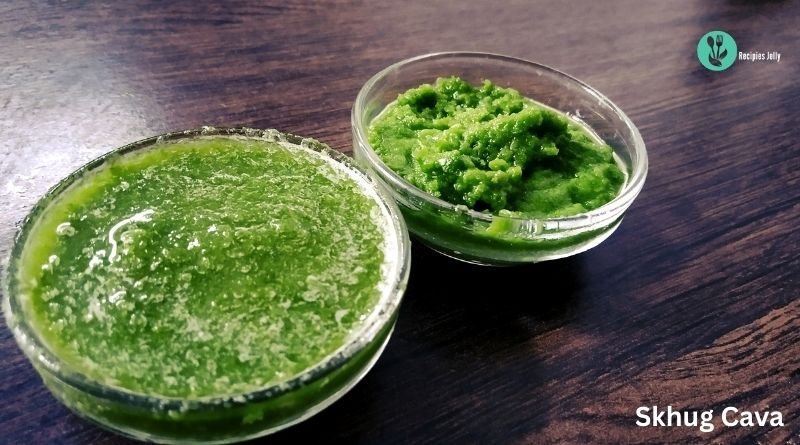
Skhug Cava: The Bold and Fiery Middle Eastern Sauce Taking Over Modern Menus
If you have ever visited a Cava restaurant and found yourself reaching for that vibrant green or red condiment that makes every bite feel alive, you already know the magic of skhug cava. This fiery, herb-packed sauce has become one of the most talked-about condiments in the fast-casual dining world, and for good reason. It carries centuries of culinary tradition from the Middle East and Yemen directly onto your grain bowl, pita, or salad — and once you try it, there is simply no going back.
What Exactly Is Skhug Cava?
Skhug, also spelled zhug or zhoug, is a traditional hot sauce that originates from Yemeni cuisine and has become deeply embedded in Israeli food culture over generations. It is made primarily from fresh chilies, cilantro, garlic, and a warming blend of spices like cumin and cardamom. The result is a sauce that hits you with layers of heat, brightness, and herbal depth all at once. Cava, the popular Mediterranean fast-casual restaurant chain, has brought its own interpretation of this ancient condiment to the mainstream American dining scene.
Skhug cava comes in two main varieties — green and red. The green version is made with green chilies and a generous amount of fresh cilantro, giving it a bright, grassy flavor with a sharp kick. The red version uses red chilies and takes on a deeper, smokier heat profile. Both are made with olive oil and aromatic spices, which give the sauce its characteristic richness and body. At Cava, this sauce has become a staple topping that customers can drizzle onto their customized bowls, wraps, and pitas to add an authentic Middle Eastern heat.
The Yemeni and Israeli Roots of This Iconic Sauce
To truly appreciate skhug cava, you need to understand where this sauce comes from and how it traveled across continents to end up on your lunch bowl in an American strip mall. Skhug has its roots in the culinary traditions of Yemeni Jews, who brought the sauce with them when they immigrated to Israel in the mid-twentieth century. Over time, it became a beloved staple across Israeli food culture, appearing at street food stalls, family dinner tables, and falafel shops throughout the country.
The word “skhug” itself comes from Arabic and refers to the act of pounding or grinding, which describes the traditional preparation method where the ingredients were crushed together using a mortar and pestle. The sauce became so popular in Israel that it is now considered a cornerstone of Israeli cuisine alongside hummus, tahini, and shakshuka. When Cava founders brought their Mediterranean-inspired menu to the United States, incorporating skhug was a natural choice because it perfectly captures the bold, unapologetic flavor philosophy that defines the entire menu.
What Makes the Cava Version Unique
While traditional skhug recipes vary from family to family and region to region, skhug cava has developed its own identity that resonates with a wide American audience. Cava’s culinary team has refined the recipe to balance authentic flavors with broad appeal, ensuring that the heat level is bold enough to satisfy spice lovers while still being approachable for those who are new to Middle Eastern condiments.
The green skhug at Cava is particularly beloved for its fresh, herby quality that sets it apart from other hot sauces on the market. Unlike vinegar-based American hot sauces or oil-heavy chili condiments from other cuisines, skhug cava relies on the freshness of its herbs and the complexity of its spice blend to create heat that feels vibrant rather than punishing. The combination of cilantro, fresh peppers, garlic, and warm spices like coriander and cumin creates a layered flavor experience that enhances rather than masks the food underneath it.
How to Use Skhug Cava at the Restaurant
One of the most exciting things about dining at Cava is the freedom to build your own meal, and skhug plays a starring role in making those customized creations sing. Whether you are loading up a grain bowl with falafel, roasted vegetables, and tzatziki, or wrapping harissa chicken in warm pita, a generous drizzle of skhug cava can tie all the elements together with its bold, spicy punch.
Food enthusiasts who frequent Cava often recommend combining skhug with the restaurant’s creamy hummus or cooling tzatziki to create a balance of heat and richness that makes every bite deeply satisfying. The sauce works beautifully alongside roasted eggplant, pickled onions, and feta cheese, adding a layer of complexity that elevates a simple bowl into something truly memorable. If you are someone who enjoys exploring flavor combinations, experimenting with how much skhug you add and what you pair it with can make every visit to Cava feel like a new culinary adventure.
Making Your Own Skhug at Home
For those who have fallen in love with skhug cava and want to recreate that experience in their own kitchen, the good news is that this sauce is surprisingly simple to make at home. The key is using the freshest ingredients possible, because the brightness of fresh cilantro, the sharp bite of raw garlic, and the clean heat of fresh chilies are what make skhug so irresistible.
To make a green skhug inspired by the Cava version, you will need a generous bunch of fresh cilantro, several green chilies such as jalapeños or serranos, four to five cloves of garlic, a teaspoon each of cumin and coriander, a pinch of cardamom, salt, and a good pour of extra virgin olive oil. You can blend everything together in a food processor until you reach your desired consistency — some prefer a chunkier texture while others like it smoother and more pourable. Taste as you go and adjust the heat and seasoning to suit your preferences. The homemade version keeps well in the refrigerator for up to a week and can be used on everything from eggs in the morning to grilled meats in the evening.
The Growing Popularity of Middle Eastern Condiments in America
The rise of skhug cava reflects a much broader shift in American food culture toward bold, globally-inspired flavors. Condiments like harissa, tahini, and preserved lemon have all found enthusiastic audiences in the United States over the past decade, and skhug is following the same trajectory. Food writers and culinary experts have noted that American diners are increasingly adventurous and curious about the flavor traditions of the Middle East, North Africa, and the Mediterranean.
Cava has played a significant role in this cultural shift by making these flavors accessible and familiar without stripping them of their authenticity. When millions of Americans encounter skhug at a fast-casual restaurant and discover that they love it, many go on to explore the broader culinary traditions it comes from. In this way, a simple chili sauce can become a gateway to a rich and ancient food culture that deserves far more recognition than it has historically received in mainstream American dining.
Nutritional Benefits Worth Knowing
Beyond its incredible flavor, skhug cava also brings some notable nutritional benefits to the table. The fresh chilies in skhug are rich in capsaicin, a compound that has been linked to boosted metabolism and anti-inflammatory properties. Cilantro is packed with antioxidants and has been studied for its potential detoxifying effects. Garlic, a cornerstone ingredient in skhug, is well known for its immune-supporting and cardiovascular benefits. The olive oil used as the base of the sauce provides heart-healthy monounsaturated fats that help the body absorb fat-soluble vitamins.
This means that when you drizzle skhug cava over your bowl, you are not just adding heat and flavor — you are also incorporating a condiment that contributes real nutritional value to your meal. Compared to many other hot sauces that are high in sodium or loaded with artificial preservatives, skhug stands out as one of the cleaner, more wholesome options available.
Why Skhug Deserves a Permanent Spot in Your Life
Whether you enjoy it at your nearest Cava location or make a batch at home on a Sunday afternoon, skhug cava deserves a permanent place in your condiment rotation. It is the kind of sauce that makes food more interesting, more layered, and more alive. It carries within it the stories of Yemeni grandmothers, Israeli street food vendors, and a culinary tradition that has survived and thrived across centuries and continents. The fact that it now graces the lunch bowls of millions of Americans is a testament to the universal power of bold, honest, delicious food. Give it a try, and you will quickly understand why so many people consider it the best thing on the entire Cava menu.