Spanish Tortilla: The Timeless Egg and Potato Dish That Defines Spanish Cuisine
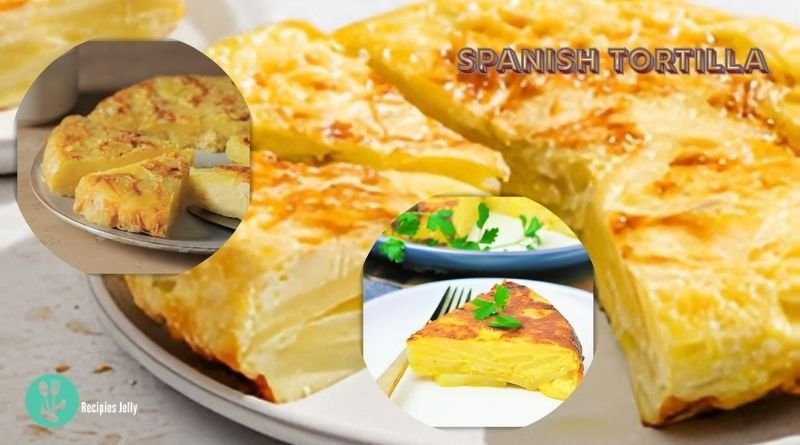
Few dishes in the world carry the same quiet authority as the spanish tortilla. Unlike its Mexican namesake, which is a flat bread, the Spanish version is a hearty, golden omelette made primarily from eggs, potatoes, and olive oil. It is a dish rooted in simplicity, yet it demands attention, patience, and a certain respect for ingredients. Whether served as a tapa at a busy bar in Madrid or as a centerpiece at a Sunday family lunch in Seville, the spanish tortilla has earned its place as one of Spain’s most beloved and enduring culinary traditions. Its appeal crosses all social boundaries — it is eaten by students on tight budgets and celebrated by Michelin-starred chefs with equal enthusiasm.
A Brief History of the Spanish Tortilla
The origins of the spanish tortilla are deeply tied to the history of the potato in Europe. Potatoes were brought to Spain from the Americas in the late 16th century, but it took several decades before they became a common food among ordinary people. Historical records suggest that the dish began appearing in Spanish households sometime in the early 19th century, particularly in the region of Navarra. Some accounts credit General Tomás de Zumalacárregui with inventing the dish during the First Carlist War as a way to feed soldiers cheaply and efficiently using whatever ingredients were available. Whether or not this story is entirely accurate, it speaks to the essence of the tortilla — a dish born from necessity, shaped by resourcefulness, and perfected over generations of home cooking. Today, it is a symbol of Spanish national identity and a staple found in virtually every home, restaurant, and market across the country.
Essential Ingredients and What Makes Them Matter
At its most basic, a traditional spanish tortilla requires only three ingredients: eggs, potatoes, and olive oil. Some cooks add onion, which creates a softer, slightly sweeter flavour, while purists insist that onion has no place in an authentic recipe. This debate — known in Spain as the “cebolla sí o cebolla no” argument — is taken surprisingly seriously and often divides people along regional and generational lines. What everyone agrees on, however, is the quality of the ingredients. The potatoes should be starchy and firm, ideally a variety that holds its shape during cooking without turning to mush. The eggs must be fresh, with rich golden yolks that give the tortilla its characteristic colour and depth. And the olive oil should be generous — this is not a dish for those who shy away from fat. The slow confit of potatoes in good quality olive oil is what gives the tortilla its creamy interior and full, rounded taste that no shortcut can truly replicate.
The Great Onion Debate: Tradition vs. Taste
If you ever want to start a lively conversation in Spain, simply ask a local whether their spanish tortilla should include onion. The country seems almost evenly split on the matter. Those in favour of onion argue that it adds moisture, sweetness, and complexity to what would otherwise be a fairly straightforward dish. Those against it insist that the clean, pure combination of egg and potato is already perfect and that adding onion muddies the flavour. In practice, most home cooks have a strong preference shaped by what their parents or grandparents made, which means the onion debate is as much about family heritage as it is about culinary philosophy. Whichever side you fall on, understanding this debate helps you appreciate the emotional and cultural weight that such a simple dish carries in Spanish life.
How to Cook a Perfect Spanish Tortilla
Cooking a proper spanish tortilla is a study in patience and confidence. The process begins with peeling and slicing the potatoes into thin, even rounds, then slowly cooking them in a generous pool of olive oil over a low flame until they are tender but not browned. This slow cooking, almost like a gentle poach in oil, is what sets a homemade tortilla apart from rushed versions. Once the potatoes are cooked, they are drained of excess oil and folded gently into beaten eggs seasoned with salt. The mixture is then poured into a non-stick or well-seasoned frying pan and cooked over a medium-low heat until the edges are set and the centre remains slightly custardy. The most dramatic moment comes when the cook places a plate over the pan and flips the tortilla in a single confident motion, allowing the uncooked top to finish against the heat of the pan. This flip takes practice and a certain courage the first few times, but it is an essential technique that every Spanish cook eventually masters.
Serving Suggestions and Pairings
One of the great virtues of the spanish tortilla is that it tastes equally good hot, warm, or at room temperature, which makes it one of the most versatile dishes in any cook’s repertoire. It is commonly served in thick wedges as a tapa alongside a cold glass of beer or a crisp white wine. In tapas bars across Spain, it is often presented on small slices of bread as a pintxo, sometimes topped with a sliver of roasted pepper or a drizzle of aioli. At home, it can be the centrepiece of a light lunch, served with a simple green salad and crusty bread. It also travels well, making it a popular choice for picnics, packed lunches, and outdoor gatherings. Leftovers — if there are any — keep well in the refrigerator for a day or two and are arguably even better the next day when the flavours have had time to settle and deepen.
The Cultural Significance of Spanish Tortilla Today
In a world increasingly driven by food trends and novelty, the enduring popularity of the spanish tortilla is a quiet reminder that truly great food does not need reinvention. It has survived centuries of culinary change largely unchanged because it is, at its heart, already perfect. Modern Spanish chefs have certainly played with the format — adding chorizo, wild mushrooms, truffle, or even turning it into a liquid-centered sphere in avant-garde restaurants — but these interpretations are always understood as riffs on an original that needs no improvement. For most Spanish families, the tortilla is deeply personal, tied to memories of childhood kitchens, grandmothers at the stove, and Sunday lunches that stretched late into the afternoon. It represents not just a way of cooking, but a way of living — unhurried, generous, and deeply connected to the pleasure of sharing food with people you love.
Whether you are encountering the spanish tortilla for the first time or returning to it after years of making it at home, it rewards both the curious and the experienced cook with the same steady satisfaction. Learn to make it well, and you will have a recipe for life — one that asks little, gives much, and never goes out of style.