
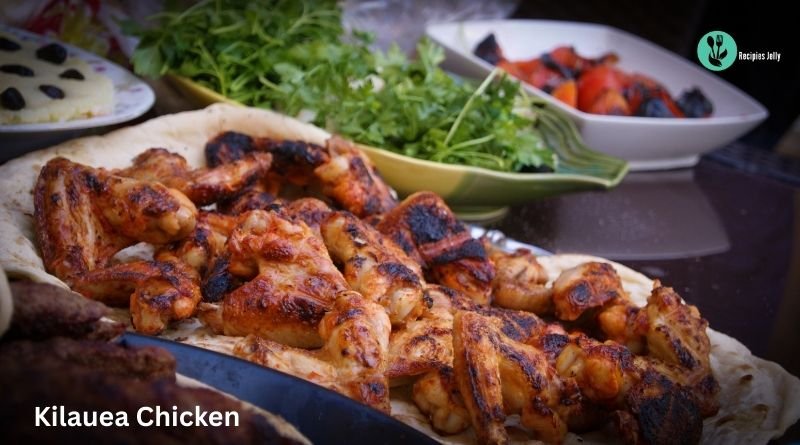
Kilauea Chicken
Few dishes capture the wild, volcanic spirit of Hawaii quite like kilauea chicken, a bold, fiery recipe inspired by the legendary Kilauea volcano on the Big Island. Just as Kilauea is one of the most active volcanoes on Earth, this dish erupts with layers of flavor that are smoky, sweet, tangy, and unmistakably tropical. Whether you first tasted it at a Hawaiian luau, a beachside grill, or a local island restaurant, there is something deeply memorable about this dish that keeps people coming back for more. It is not just food — it is an experience that transports you straight to the lush, steamy landscapes of Hawaii with every single bite.
What Makes Kilauea Chicken So Special
Hawaiian cuisine is built on a beautiful collision of cultures — Polynesian, Asian, American, and Portuguese influences all swirling together into something entirely unique. Kilauea chicken sits right at the heart of that culinary tradition. The dish typically features bone-in or boneless chicken marinated in a rich combination of soy sauce, pineapple juice, ginger, garlic, and a healthy dose of chili heat. That heat is what gives the dish its volcanic name — the kind of warmth that builds slowly, lingers on the palate, and reminds you of molten lava creeping steadily down a hillside.
What separates this recipe from ordinary grilled or baked chicken is the careful balance between sweet and spicy. The pineapple in the marinade acts as a natural tenderizer, breaking down the muscle fibers in the chicken and allowing the deeper flavors of ginger and soy to penetrate all the way through. The result is chicken that is extraordinarily juicy, deeply savory, and finished with a caramelized glaze that crackles under high heat. No matter how you cook it — on a charcoal grill, in a cast iron skillet, or under the broiler — the outcome is consistently spectacular.
The Cultural Roots Behind the Recipe
To truly appreciate kilauea chicken, it helps to understand the food culture of Hawaii’s Big Island. The Kilauea volcano has been a sacred site for Native Hawaiians for centuries. It is considered the home of Pele, the Hawaiian goddess of fire and volcanoes. Food prepared in her honor was meant to be bold, vibrant, and full of life — much like the landscape itself. While the modern recipe has evolved significantly from ancient cooking traditions, the spirit of Pele still lives in every fiery bite.
The Big Island has long been a crossroads for agricultural diversity. Macadamia nuts, coffee, tropical fruits, and locally raised poultry have all become cornerstones of the island’s food identity. When fusion cooking began taking hold in Hawaii during the latter half of the twentieth century, chefs started experimenting with locally sourced ingredients and international techniques. Kilauea chicken emerged as part of that creative wave — a dish that honored Hawaiian flavors while embracing the broader world of bold seasoning and modern cooking methods.
Key Ingredients That Bring the Dish to Life
The magic of a great kilauea chicken lies in selecting the right ingredients and giving them enough time to work together. Here is a closer look at what goes into building those signature layers of flavor.
The Marinade
The marinade is where everything begins. A classic version combines low-sodium soy sauce, fresh pineapple juice, minced ginger, crushed garlic, brown sugar, sesame oil, and either red chili flakes or a finely chopped Hawaiian chili pepper. Some cooks add a splash of rice vinegar for brightness, while others include a small amount of hoisin sauce for added depth. The chicken should sit in this marinade for at least four hours, though overnight is strongly recommended if you want the flavor to fully develop.
The Chicken
Bone-in thighs and drumsticks are the preferred cuts for this recipe because they stay moist during high-heat cooking and absorb the marinade beautifully. That said, boneless thighs also work extremely well if you prefer quicker cooking times or plan to serve the dish over rice in a bowl format. Chicken breasts can be used, but they require more careful attention to avoid drying out.
The Finishing Glaze
Once the chicken has been cooked through, a finishing glaze made from reduced pineapple juice, soy sauce, and a touch of honey is brushed over the meat and allowed to caramelize under direct heat. This step creates that signature sticky, lacquered exterior that makes kilauea chicken so visually stunning and deeply satisfying to eat.
How to Cook It Perfectly Every Time
Cooking this dish well is about managing heat and timing with patience. If you are using a charcoal grill, set it up for two-zone cooking — one side hot for searing, the other cooler for indirect cooking. Start the chicken on the hot side to get a good char and caramelization going, then move it to the indirect side to cook through slowly without burning the sugars in the marinade.
For oven cooking, start at a high temperature — around 425 degrees Fahrenheit — for the first fifteen minutes to develop color, then reduce the heat to 375 degrees and continue cooking until the internal temperature reaches 165 degrees. Apply the finishing glaze during the last ten minutes of cooking and switch to the broiler setting for the final two to three minutes to get that perfect caramelized crust.
Resting the chicken for five to ten minutes after removing it from heat is a step that many home cooks skip but should never be overlooked. Resting allows the juices to redistribute throughout the meat, ensuring that every bite is as moist as possible.
Serving Suggestions and Pairings
Traditional Hawaiian Sides
Kilauea chicken pairs beautifully with classic Hawaiian accompaniments. Steamed white rice is the most traditional pairing — it absorbs the extra glaze and provides a neutral base that lets the bold flavors of the chicken shine. Macaroni salad, a staple of the Hawaiian plate lunch tradition, adds a cool, creamy contrast to the heat of the dish. Grilled pineapple rings served alongside the chicken reinforce the tropical flavor profile and add a beautiful visual presentation to the plate.
Modern Bowl-Style Serving
For a more contemporary presentation, serve the chicken sliced over a bowl of jasmine rice topped with pickled cucumber, shredded carrots, sliced green onions, toasted sesame seeds, and a drizzle of sriracha mayo. This style has become increasingly popular at Hawaiian-inspired restaurants across the mainland United States and brings a fresh, vibrant energy to the dish while keeping all of the essential flavors intact.
Drinks That Complement the Meal
A cold glass of POG juice — a Hawaiian blend of passion fruit, orange, and guava — is the ultimate non-alcoholic companion for this meal. For something with a little more spirit, a mai tai or a light lager pairs exceptionally well with the sweet heat of the chicken.
Tips for Making It Even Better
A few small adjustments can take your kilauea chicken from good to absolutely unforgettable. First, always use fresh pineapple juice rather than canned when possible — the live enzymes in fresh juice do a significantly better job of tenderizing the meat and provide a brighter, more vibrant flavor. Second, do not skip toasting the sesame seeds before using them as a garnish — thirty seconds in a dry pan unlocks a nutty depth that makes a noticeable difference. Third, if you enjoy extra heat, add a small amount of gochujang or sambal oelek to the marinade alongside the chili flakes. These fermented chili pastes add complexity and a slow-burning heat that builds beautifully over the course of the meal.
Finally, consider marinating the chicken in a zip-lock bag rather than a bowl. The bag allows the marinade to coat every surface of the chicken evenly and requires far less liquid to achieve full coverage, which means your flavors stay concentrated and potent.
Why This Dish Deserves a Spot in Your Regular Rotation
In a world full of overcomplicated recipes and trendy ingredients, kilauea chicken stands out as something genuinely special — a dish with real cultural roots, bold and honest flavors, and a preparation process that rewards patience and care. It is the kind of meal that impresses dinner guests without requiring professional culinary training, and it is flexible enough to be dressed up for a special occasion or simplified for a busy weeknight dinner.
Once you make it for the first time, you will understand why this volcanic island recipe has captured the hearts and appetites of so many people around the world. The fire of Kilauea lives in every bite, and once it gets into your kitchen, it is not going anywhere.