
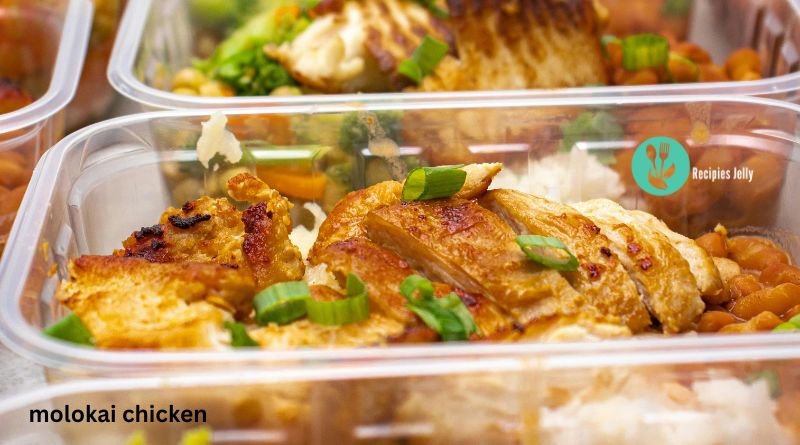
Molokai Chicken: The Island Recipe That Deserves a Spot on Your Dinner Table
Food & Culture
There are dishes that carry the weight of a place — its soil, its sea breeze, the way people talk and laugh at the table. Molokai chicken is exactly that kind of dish. It tells the story of a small Hawaiian island in every bite.
What Is Molokai Chicken?
If you have never tasted Molokai chicken, you are missing out on one of the most soul-satisfying poultry dishes that Hawaiian cuisine has quietly kept to itself for decades. Named after Molokai — one of Hawaii’s less commercialized and more culturally rich islands — this dish is a beautiful marriage of slow cooking, bold tropical flavors, and the kind of homestyle warmth that no five-star restaurant can manufacture. Unlike the flashier dishes that dominate Hawaiian food tourism, Molokai chicken earns its reputation through honest, layered flavors built from ingredients that speak directly to the island’s landscape and heritage.
At its core, the dish involves chicken — often bone-in thighs or a whole cut-up bird — marinated and cooked in a rich blend of soy sauce, ginger, garlic, a touch of sweetness from brown sugar or honey, and sometimes a splash of pineapple juice or coconut milk to round out the acidity. The result is a deeply savory, slightly sweet, and aromatic plate of chicken that pairs effortlessly with steamed white rice, which is, naturally, the foundation of any proper Hawaiian meal.
The Cultural Roots Behind the Recipe
To understand why Molokai chicken tastes the way it does, you have to understand Molokai itself. The island has long been considered the most authentically Hawaiian of the eight main islands, with a population that maintains deep ties to indigenous Hawaiian traditions, farming, and fishing. Food on Molokai is not a performance — it is practical, communal, and rooted in what the land provides. Chicken has historically been a readily available protein, and the local approach to cooking it reflects the multicultural fabric of Hawaiian society, blending influences from native Hawaiian, Japanese, Filipino, Portuguese, and Chinese culinary traditions. The soy-ginger base of Molokai chicken, for example, echoes Japanese and Chinese cooking styles that became deeply woven into Hawaiian food culture through waves of plantation-era immigration.
How the flavors come together
What makes Molokai chicken genuinely special is the way its flavors develop over time. The dish rewards patience. When the chicken is allowed to marinate for several hours — ideally overnight — the soy sauce penetrates deep into the meat, while the ginger and garlic mellow into something fragrant and warm rather than sharp or overpowering. A slow braise or a careful oven roast then caramelizes the sugars in the marinade, creating a lacquered, sticky exterior that contrasts beautifully with the juicy interior. Some home cooks finish the chicken under a broiler for a few minutes to achieve those slightly charred edges that add smokiness and complexity. Others prefer a slow cooker version that falls off the bone and creates a rich, glossy sauce that soaks right into the rice underneath.
Why Molokai Chicken Stands Apart from Other Hawaiian Dishes
Hawaiian cuisine has a lot of well-known ambassadors — kalua pork, loco moco, poke, spam musubi — but Molokai chicken occupies a quieter, more intimate corner of that culinary world. It is not a dish built for novelty. It does not rely on a single dramatic ingredient or an unusual technique to get your attention. Instead, it wins you over slowly, the way a really good conversation does. Each element of the recipe — the umami depth of soy, the warmth of ginger, the gentle sweetness, the tender meat — works in concert rather than competing for the spotlight. This balance is precisely what Hawaiian comfort food does best, and this dish captures it as well as any recipe you will find on the islands.
Bringing it into your own kitchen
The good news for home cooks is that Molokai chicken is remarkably forgiving and adaptable. You do not need any exotic equipment or hard-to-source ingredients to make an authentic and satisfying version. Bone-in chicken thighs are the most recommended cut because the fat content keeps the meat moist through long cooking times, and the bones add flavor to the braising liquid. The marinade can be adjusted to personal taste — more ginger for brightness, more soy for depth, a bit of sesame oil for nuttiness, or a squeeze of lime to cut through the richness. Green onions scattered over the finished dish add freshness, and a sprinkle of sesame seeds gives it a visual and textural finish that feels complete. Served over a bowl of hot, perfectly cooked short-grain rice with a side of simple pickled vegetables or a crisp green salad, Molokai chicken becomes a full, satisfying meal that feels both exotic and deeply homey at the same time.
A dish worth your time
Whether you are an experienced cook exploring world cuisines or someone simply looking for a reliable, crowd-pleasing weeknight dinner, Molokai chicken is a recipe that earns its place in permanent rotation. It is the kind of dish that improves with repetition — each time you make it, you understand it a little better, adjust it a little more to suit your palate, and appreciate a little more deeply the simple Hawaiian wisdom that says the best food is the food that brings people together.
In a food world that sometimes prioritizes spectacle over substance, Molokai chicken is a quiet reminder that the most lasting flavors are the ones rooted in place, people, and time.