
Siomai Chao Fan Calories: What You’re Really Eating in Every Bite
Nutrition & Filipino Food · 6 min read
If you’ve ever grabbed a quick combo from a street-side stall or a popular fast-food chain in the Philippines, chances are you’ve ordered siomai with chao fan at least once. It’s filling, affordable, and honestly quite delicious. But if you’re watching your diet or simply trying to eat more mindfully, understanding siomai chao fan calories is a smart place to start. This combo is a staple for millions of Filipinos, and knowing what’s inside it can help you enjoy it without any second-guessing.
What Is Siomai Chao Fan?
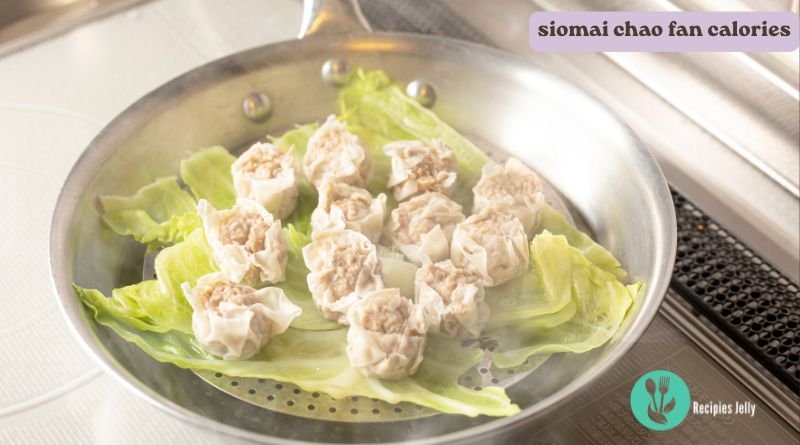
Siomai is a type of open-topped dumpling originally rooted in Chinese dim sum cuisine. It typically contains a mixture of ground pork, shrimp, or a combination of both, wrapped in a thin wonton skin and steamed until tender. In the Philippines, siomai has been localized and is now widely sold in malls, carinderia, and fast-food chains like Mang Inasal, Chowking, and roadside carts. Chao fan, on the other hand, is fried rice — seasoned with soy sauce, garlic, egg, and sometimes topped with bits of meat or vegetables. Together, they form one of the most popular budget meals in the country, served in a small styrofoam tray and eaten with a toothpick and a small dipping sauce of soy sauce and calamansi.
Breaking Down the Siomai Chao Fan Calories
The total calorie count of a siomai chao fan meal depends on the portion size, the specific recipe or brand, and what toppings or sauces are added. On average, a standard serving of siomai chao fan calories falls somewhere between 400 to 600 calories per meal. Here’s a closer look at how those numbers break down between the two components.
Calories in Siomai
A single piece of pork siomai typically contains around 40 to 60 calories. Most servings come with three to five pieces, which puts the siomai portion of your meal at roughly 120 to 300 calories depending on the size and filling. Siomai made with pure pork tends to be higher in fat, while those made with a combination of pork and shrimp or tofu may be slightly lighter. The thin steamed wrapper itself doesn’t add too many calories, but the filling — especially when it includes pork fat — can push the count higher. Dipping sauce made from soy sauce adds minimal calories, but if you’re using a seasoned sauce with oil or chili, it can add up quickly.
Calories in Chao Fan
Chao fan, or fried rice, is the heavier part of this combo in terms of calorie density. A standard single-serve cup of plain garlic fried rice can range from 200 to 280 calories. When it includes egg, a few bits of pork, or extra soy sauce seasoning — which most commercial chao fan does — the count can climb to around 280 to 350 calories for a typical serving. The oil used in frying is what makes fried rice significantly more calorie-dense than plain steamed rice. Even a tablespoon of cooking oil adds roughly 120 calories, and most fried rice portions use at least that much.
Estimated total for a standard siomai chao fan meal: 400–600 calories, depending on the brand, portion, and sauces used.
Nutritional Value Beyond the Calories
While it’s easy to focus only on siomai chao fan calories, the meal does offer some decent nutritional value. Siomai provides a source of protein from the pork or shrimp filling, which helps with satiety and muscle support. The rice in chao fan offers quick-releasing carbohydrates that give you an energy boost — which is probably why this combo is so popular as a merienda or quick lunch. However, the meal is generally low in fiber and vegetables unless you specifically ask for add-ons or choose a healthier variation. It also tends to be high in sodium, particularly from soy sauce, seasoning, and the wonton wrappers used in the siomai.
Tips for Enjoying Siomai Chao Fan Without Overdoing It
Knowing the siomai chao fan calories doesn’t mean you need to stop enjoying this beloved Filipino combo. A few mindful adjustments can go a long way. First, consider limiting your siomai to two or three pieces instead of the standard five-piece serving. Second, if chao fan is available in a smaller cup or half-cup serving, opt for that. You can also swap the regular chao fan for a plainer garlic rice to cut back on oil. Additionally, go easy on the dipping sauce — calamansi and a small splash of soy sauce is all you really need to enhance the flavor without piling on extra sodium. If you’re eating this meal regularly, pairing it with a side of fresh vegetables or a simple salad can help balance out the nutritional gaps.
Is Siomai Chao Fan a Healthy Meal Choice?
The honest answer is: it depends on your overall diet and lifestyle. For someone with an active routine and a balanced daily intake, enjoying siomai chao fan occasionally is completely fine. The meal is not outright unhealthy, but it is calorie-dense and relatively high in sodium and saturated fat. For those managing their weight, tracking siomai chao fan calories and portioning accordingly makes it possible to fit this meal into a calorie-conscious diet without guilt. It’s comfort food at its most accessible — and like all comfort food, the key is moderation and awareness rather than avoidance.
Understanding what you eat is the first step toward eating better — not eliminating the foods you love, but enjoying them with a little more intention.