
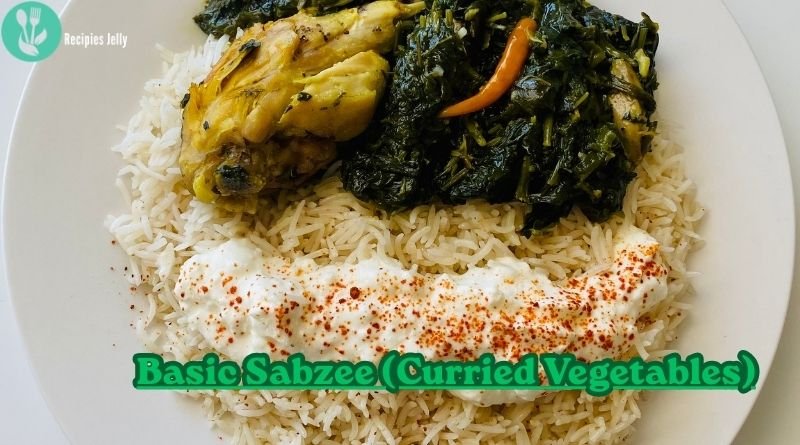
Basic Sabzee (Curried Vegetables): A Timeless Recipe Full of Warmth and Wholesome Flavor
There is something deeply satisfying about a dish that is both simple to prepare and rich in cultural heritage. Basic Sabzee (Curried Vegetables) is exactly that kind of recipe — one that brings together humble vegetables, warming spices, and wholesome intention in a single pot. Rooted in yogic and South Asian culinary traditions, this dish has long been a staple in communities that value conscious eating, plant-based nourishment, and the healing power of food. Whether you are a seasoned cook or someone just beginning to explore vegetarian cooking, Basic Sabzee is one of those recipes that quietly becomes a household favorite.
What Is Basic Sabzee and Where Does It Come From?
The word “sabzee” — also spelled sabzi — originates from Persian and Urdu, meaning “greens” or “vegetables.” Across South Asian kitchens and yogic communities alike, sabzee refers to a cooked vegetable preparation seasoned generously with spices such as turmeric, cumin, and coriander, transforming even the most ordinary produce into something deeply flavorful and nourishing. Basic Sabzee (Curried Vegetables) follows this tradition faithfully, offering a recipe that is as flexible as it is delicious.
This dish carries meaning beyond its ingredients. For many who prepare it, the act of cooking sabzee is a mindful practice — a moment to slow down, engage with fresh produce, and bring care and intention to what is placed on the table. Served over basmati rice, alongside lentil dal, or with warm whole wheat flatbread, Basic Sabzee (Curried Vegetables) holds a place of comfort and quiet significance in kitchens across cultures and generations.
Key Ingredients That Give This Dish Its Character
The Vegetables
One of the most appealing qualities of Basic Sabzee (Curried Vegetables) is its remarkable versatility. Almost any vegetable works beautifully in this preparation — potatoes, cauliflower, spinach, carrots, peas, zucchini, green beans, or whatever happens to be fresh and in season. This adaptability means the dish can be prepared year-round, shifting character with each season while retaining its essential warmth and depth. Using whatever is locally available also keeps the recipe grounded, economical, and sustainable.
The Spice Blend
The true soul of any sabzee lies in its spices. Turmeric lends the dish its signature golden color and brings well-known anti-inflammatory benefits to every serving. Cumin seeds, when bloomed in hot oil or ghee, release a nutty, earthy aroma that forms the aromatic backbone of the entire dish. Coriander powder adds a gentle citrusy and floral note, while a touch of cayenne or fresh green chili introduces just enough heat to awaken the senses without overwhelming them. Many cooks finish the dish with a pinch of garam masala, which adds a final layer of warmth and complexity that ties all the flavors together beautifully.
The Cooking Fat
Ghee — clarified butter — is a traditional and preferred cooking fat for this dish, considered both flavorful and beneficial in Ayurvedic and yogic nutritional philosophy. It helps bloom the spices effectively and adds a subtle richness to the finished dish. For those following a fully plant-based diet, coconut oil or any neutral cooking oil works just as well and produces equally satisfying results.
How to Prepare Basic Sabzee Step by Step
Building the Aromatic Base
Preparing Basic Sabzee (Curried Vegetables) begins with heating ghee or oil in a heavy-bottomed pan over medium heat. Once the fat is warm, whole cumin seeds are added and allowed to sizzle for about thirty seconds until they begin to pop and release their rich fragrance. This technique — known as tempering or tadka — is a foundational step in South Asian cooking that sets the aromatic stage for everything that follows. Finely chopped onions are then added and cooked until they turn soft and golden, followed by ginger, garlic, or green chili depending on personal taste and preference.
Adding Spices and Vegetables
Ground spices — turmeric, coriander, and cumin powder — are stirred in next, coating the onion base and cooking briefly for about a minute to eliminate any raw, harsh flavor. The prepared vegetables are then added to the pan and tossed well so that every piece is coated in the fragrant, spiced oil. A small splash of water is added to create steam, the pan is covered, and the sabzee is left to cook gently over low to medium heat until the vegetables are fully tender while still holding their shape and color.
Finishing the Dish
Once the vegetables are cooked through, a final touch of garam masala, a generous handful of freshly chopped cilantro, and a squeeze of lemon juice complete the dish. These finishing additions brighten the overall flavor profile, lift the richness of the cooked spices, and give Basic Sabzee (Curried Vegetables) that irresistible fresh quality that keeps everyone coming back for a second helping.
Why Basic Sabzee Belongs in Every Kitchen
Basic Sabzee (Curried Vegetables) is more than a simple weeknight meal — it is a reminder that good food does not need to be complicated. A handful of seasonal vegetables, a few spices already sitting in the pantry, and no more than thirty minutes of cooking time are all it takes to produce a dish that is genuinely nourishing, deeply satisfying, and full of character. For those following a vegetarian or plant-based lifestyle, it delivers complete satisfaction without compromise, offering both flavor and nutrition in equal measure.
Beyond its practicality, this dish carries a warmth that is felt long after the meal is over. Cooking Basic Sabzee (Curried Vegetables) offers a quiet invitation to be present in the kitchen — to appreciate the color of fresh turmeric, the fragrance of cumin blooming in hot oil, and the gentle satisfaction of a homemade meal prepared with real care. That mindful quality, perhaps more than anything else, is what has allowed this timeless recipe to endure across generations and continue finding a welcome place at tables around the world.