How to Boil an Egg Perfectly Every Single Time
Eggs are one of the most versatile and affordable foods available, yet so many people struggle to cook them correctly. Whether you want a soft, runny yolk for dipping soldiers or a firm, fully set centre for a salad, knowing how to boil an egg properly makes all the difference. It sounds simple, and in truth it is — but small details like water temperature, timing, and the age of your eggs can completely change the outcome. Once you understand what is actually happening inside the shell, you will never overcook or undercook an egg again.
Why Getting It Right Actually Matters
Most people assume that boiling an egg is foolproof. You drop it in water, wait a few minutes, and you are done. But anyone who has cracked open a rubbery white or a chalky grey yolk knows that is not quite the full story. The proteins inside an egg begin to set at different temperatures, which means the white and the yolk do not cook at exactly the same rate. When you know how to boil an egg with a little intention behind it, you get a result that is genuinely satisfying — creamy, well-textured, and cooked exactly the way you want it.
What You Need Before You Start
Before diving into the method, it helps to gather a few basic things. You will need a saucepan large enough to hold your eggs without overcrowding, cold water, a timer, and a bowl of iced water for cooling. The eggs themselves matter too — fresher eggs tend to be harder to peel after boiling, so if you plan to make a batch of peeled boiled eggs for a salad or snack, eggs that are a week or so old actually work better. Remove them from the fridge about ten to fifteen minutes before cooking if possible, as bringing them closer to room temperature reduces the risk of cracking when they hit the hot water.
How to Boil an Egg: Step-by-Step
Starting With Cold or Boiling Water
There are two main schools of thought here, and both work well depending on what you are after. The cold water method involves placing your eggs in a pot, covering them with cold water by about an inch, and then bringing everything up to a boil together. This is gentler on the shells and reduces cracking. The boiling water method, on the other hand, means lowering eggs carefully into already-simmering water using a spoon. This gives you more precise timing control, which is especially useful when you want a specific texture. For most home cooks learning how to boil an egg for the first time, the cold water method is slightly more forgiving and a great place to start.
Timing It Right
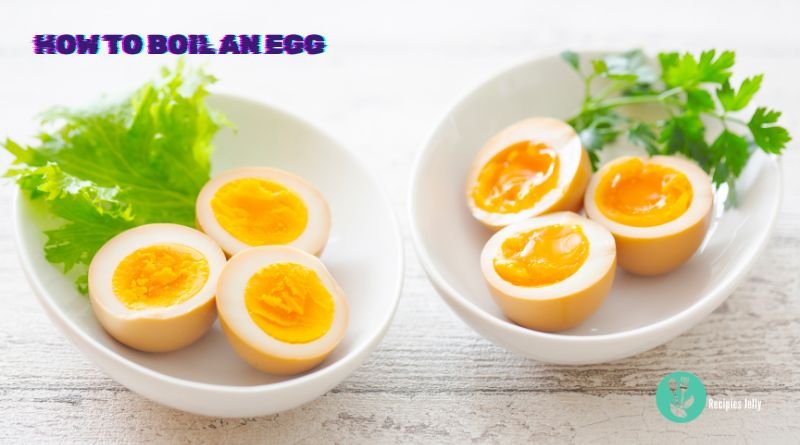
Once the water reaches a full boil, reduce the heat to a gentle simmer and start your timer. The timing is everything. For a soft-boiled egg with a runny yolk and set white, aim for around six minutes. Seven minutes gives you a slightly jammy, partially set yolk that is perfect for ramen or toast. A fully hard-boiled egg with a firm but not chalky yolk needs about ten to eleven minutes. If you go beyond twelve minutes, you risk that unpleasant greenish ring forming around the yolk — a sign of overcooking caused by a reaction between sulphur and iron in the egg.
The Ice Bath Trick
Once your timer goes off, immediately transfer the eggs into a bowl of iced water. This step is crucial. It stops the cooking process instantly and makes the shells much easier to peel. Let them sit in the ice bath for at least five minutes before handling. When you are ready to peel, gently tap the egg all over on a hard surface, then roll it lightly to crack the shell in multiple places. Start peeling from the wider end where there is usually an air pocket, and the shell should come away cleanly.
Common Mistakes to Avoid
Even when you know how to boil an egg in theory, a few habits can throw things off. Skipping the ice bath is the most common error — without it, residual heat inside the egg continues cooking the yolk even after it leaves the water. Using eggs straight from the fridge without allowing them to temper slightly can cause cracking. Boiling at too high a temperature makes the whites tough and rubbery rather than tender. And forgetting to time properly, even by a minute or two, can take you from silky to overdone.
A Simple Skill Worth Mastering
Knowing how to boil an egg may seem like a minor thing, but it is one of those foundational kitchen skills that pays off in countless meals. From quick weekday breakfasts to protein-packed snacks and classic egg salads, a perfectly boiled egg is always useful. Take a little time to practice, adjust the timing to suit your preferences, and you will have a reliable technique that serves you well for years to come.