
The Ultimate Pozole Recipe: A Hearty Mexican Classic Worth Making at Home
If you have ever sat down to a steaming bowl of rich, deeply flavored broth filled with tender meat and bloomy hominy, you already know why pozole has been celebrated in Mexican culture for centuries. This dish carries history in every spoonful — it was once reserved for sacred ceremonies and feasts among the Aztecs, and today it remains one of the most beloved comfort foods across Mexico and beyond. Whether you are cooking for a crowd on a cold evening or simply craving something soul-satisfying, this pozole recipe will walk you through everything you need to know to make it beautifully at home.
What Makes Pozole So Special
Pozole is not just a soup — it is an experience. At its heart, the dish is built around hominy, which is dried corn kernels that have been treated with an alkaline solution to soften them and unlock a rich, earthy flavor. When simmered low and slow in a deeply seasoned broth alongside pork or chicken, the hominy absorbs all that savory goodness and blooms open like little flowers. The result is a bowl that is simultaneously hearty and warming, with layers of flavor that feel like they took all day to develop — because, in the best versions, they truly do. What makes a pozole recipe stand out from a simple soup is that careful attention to the chile base, the quality of the broth, and the freshness of the toppings that get piled on at the end.
Ingredients You Will Need
Before you start cooking, gather your ingredients so the process flows smoothly. For a classic red pozole serving six to eight people, you will need about two to three pounds of bone-in pork shoulder or pork neck, two cans of hominy (or dried hominy soaked overnight), and a blend of dried chiles — typically guajillo and ancho — which give the broth its signature deep red color and mild, fruity heat. You will also need a whole white onion, several garlic cloves, dried oregano, cumin, bay leaves, and good chicken or pork stock to build the broth. For the toppings — which are just as important as the soup itself — prepare shredded cabbage, thinly sliced radishes, dried oregano, lime wedges, tostadas, and diced white onion.
Choosing the Right Chiles
The soul of any great pozole recipe lives in its chiles. Guajillo chiles bring a smooth, tangy heat and a vivid red hue, while ancho chiles add a deeper, more chocolatey richness. To prepare them, simply toast the dried chiles briefly in a dry skillet until fragrant, then soak them in hot water for about fifteen minutes until they soften. Once softened, blend them with garlic, onion, and a bit of the soaking liquid into a smooth paste. Strain this paste through a fine mesh sieve and fry it in a little oil before adding your broth — this step is what transforms a flat chile sauce into a round, complex base.
How to Cook Pozole Step by Step
Start by simmering the pork in water or stock with onion, garlic, bay leaves, and salt for at least an hour and a half, until the meat is completely tender and falling off the bone. Remove the pork, shred it generously, and strain the cooking liquid to use as your base broth. In a large pot, fry the prepared chile paste in a little oil for about five minutes, stirring constantly, until it darkens slightly and smells wonderfully toasty. Pour in the strained broth, add the drained hominy, and return the shredded pork to the pot. Let everything simmer together for another thirty to forty-five minutes so the flavors fully meld. Taste and adjust salt as needed.
Serving and Toppings
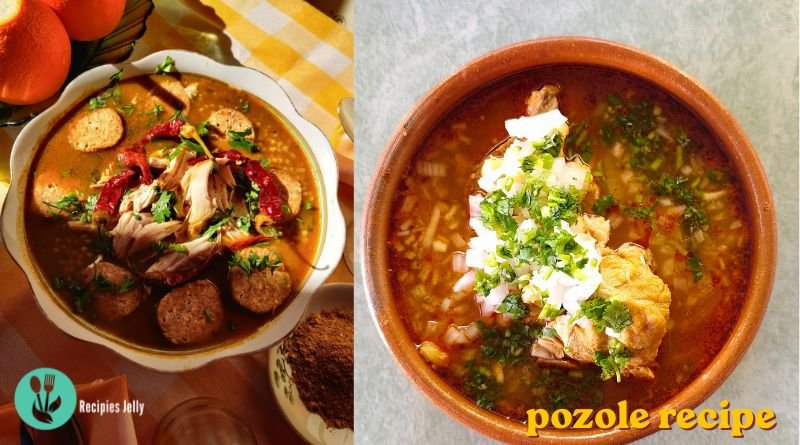
This is where the pozole recipe truly comes alive. Ladle the hot soup into deep bowls and set out all your toppings in small dishes so everyone can customize their own bowl. The crunch of raw cabbage and radishes against the soft hominy, a squeeze of bright lime, a pinch of dried oregano, and the crunch of a tostada on the side — every element has a purpose. Some people add a dollop of sour cream or a drizzle of hot sauce as well.
A Dish That Brings People Together
There is something about making pozole from scratch that feels genuinely celebratory. It takes patience and a handful of humble ingredients, but what comes out of that pot is far greater than the sum of its parts. Once you make this pozole recipe at home, store-bought shortcuts will never feel quite right again. This is the kind of cooking that fills a kitchen with warmth, pulls people to the table, and creates memories long after the bowls are empty.